Deep tissue massage is the treatment guests ask for when a relaxing massage simply isn’t enough. If you’ve been carrying tight shoulders from months of desk work, or your lower back has been nagging you since the flight over, this guide explains what deep tissue actually involves, how it differs from a standard massage, and how to get the most out of a session in Bali.
What Is Deep Tissue Massage?
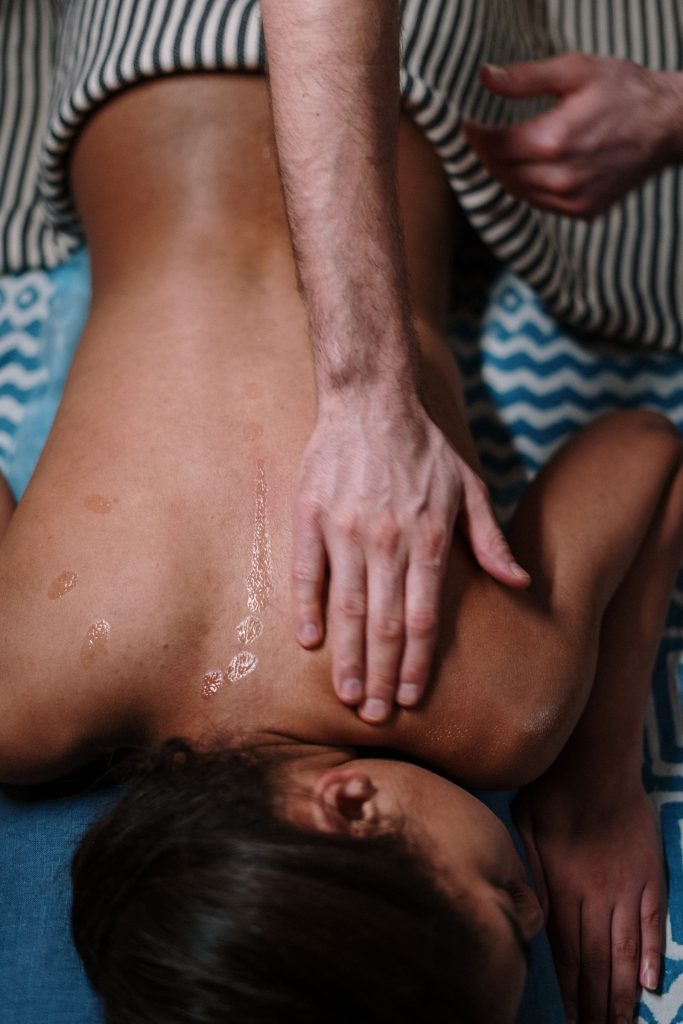
Deep tissue massage uses slow, firm strokes and sustained pressure to reach the deeper layers of muscle and connective tissue. Rather than gliding across the surface, your therapist works into specific knots and areas of chronic tension, often using forearms, knuckles and elbows as well as hands. The aim isn’t to cover the whole body evenly, but to spend time where the tension actually sits.
How It Differs from Balinese or Traditional Massage
A Balinese massage blends long strokes, acupressure and gentle stretching into a flowing full-body treatment that most guests find deeply relaxing. Deep tissue is slower and more focused, and the pressure is noticeably stronger. Many guests describe it as a “good hurt”: intense in the moment, with a clear sense of release afterward. If your main goal is to unwind after a day at the beach, Balinese or Traditional massage is usually the better fit. If you have a specific area that won’t loosen up, deep tissue is designed for that.
Who Deep Tissue Massage Is Best For
- Guests with long-standing neck, shoulder or upper back tension
- People who sit for long hours, including remote workers staying in Bali
- Travelers whose back feels stiff after long-haul flights
- Anyone who regularly finds standard massage pressure too light
If you’ve just finished a surf session or a volcano hike, Sport massage may suit you better, since it focuses on the muscles used in that activity and includes stretching.
What to Expect During the Session
Your therapist will start by asking where you feel tension and whether you have any injuries or medical conditions. The first few minutes use lighter strokes to warm the muscles before pressure increases. Communication matters more here than in any other treatment: tell your therapist if pressure moves from intense to sharp or painful. Good deep tissue work should never make you tense up or hold your breath.
Will You Be Sore Afterward?
Mild soreness for a day or so is normal, similar to how muscles feel after a workout. Drinking water, taking a warm shower and avoiding heavy exercise for the rest of the day all help. Sharp or lasting pain is not normal; if that happens, let us know.
Deep Tissue Massage Prices
Our Deep Tissue massage is available in three durations:
- 60 minutes: IDR 350,000
- 90 minutes: IDR 500,000
- 120 minutes: IDR 650,000
Prices include your therapist’s transport to your villa, hotel or home anywhere in our service area. For first-timers, 90 minutes is a good balance: long enough to work properly on problem areas without rushing the warm-up. See our full price guide for other treatments.
When to Avoid Deep Tissue Massage
Skip deep tissue or speak to a doctor first if you’ve had recent surgery, a fresh injury, a blood clotting condition, or are pregnant. For pregnancy, our Pregnancy massage is the safer option. Sunburn is another practical reason to wait, since firm pressure on burnt skin is uncomfortable.
How to Book
Message us on WhatsApp or use our Booking page with your preferred time, location and which areas you want the therapist to focus on. Mentioning your pressure preference upfront helps us match you with a therapist experienced in firmer work.