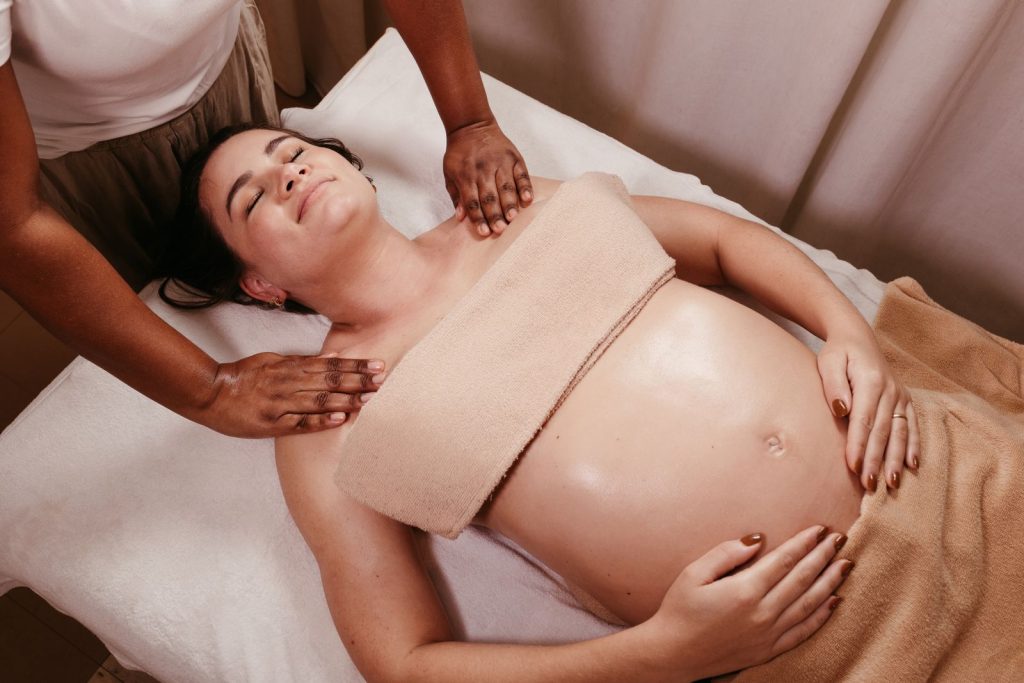
Pregnancy is one of the most common reasons guests contact us with questions before booking, and for good reason — not every massage style is appropriate during pregnancy, and safety depends on your specific stage, health history, and how your pregnancy has progressed so far. Many expectant travelers assume any “gentle” massage is automatically fine, when in reality the positioning, pressure points and oils used all need to be specifically adapted. This article covers what to know before booking a Pregnancy massage in Bali, so you can make an informed decision alongside your doctor’s advice rather than guessing.
When Pregnancy Massage Is Generally Considered Safe
Many practitioners consider massage generally safe after the first trimester, once the higher-risk early weeks have passed, though this varies by individual and pregnancy. This is a medical question, not something we can answer on your behalf — always check with your doctor or midwife first, particularly if you have any pregnancy complications, high blood pressure, or a history of preterm labor.
What Makes Pregnancy Massage Different
A proper pregnancy massage isn’t simply a regular massage performed more gently. It uses specific positioning — typically side-lying with supportive cushioning rather than lying face-down or flat on your back for extended periods — and avoids pressure points and techniques that are not recommended during pregnancy. This is why we treat it as its own dedicated service rather than a modified version of Balinese or Traditional massage.
Situations That Need a Doctor’s Advice First
Certain conditions mean you should get explicit medical clearance before booking any massage: high-risk pregnancy, pre-eclampsia or high blood pressure, a history of preterm labor, vaginal bleeding, or any condition your doctor has already flagged as requiring caution. If in doubt, ask your doctor specifically about massage rather than assuming it’s fine because you feel well.
What to Expect During a Session
When you book, tell us how many weeks pregnant you are — this helps us prepare appropriate positioning and cushioning in advance. Your therapist will ask about your pregnancy directly before starting and will check in throughout the session. Pressure is lighter than our standard treatments, focused on common problem areas like lower back, hips and legs rather than the abdomen.
Choosing a Qualified Therapist
Not every therapist is trained in pregnancy-safe technique, which is why we assign pregnancy bookings specifically to therapists experienced with this treatment rather than any available therapist. If you’re booking through any provider — not just us — it’s reasonable to ask directly whether the therapist has pregnancy massage training before confirming, and to say so clearly in your booking message rather than mentioning it only when the therapist arrives.
What to Tell Us When Booking
To prepare properly, let us know: how many weeks pregnant you are, whether this is a single or multiple pregnancy, and whether your doctor has flagged any specific precautions. This isn’t just a formality — it directly affects which cushioning setup and positioning your therapist prepares before arriving, and whether we recommend proceeding at all for your specific situation.
After Your First Trimester: What Changes
As pregnancy progresses, positioning needs generally become more important than pressure adjustments. Later in pregnancy, side-lying support becomes more critical simply due to changes in balance and comfort, and sessions may run a little shorter than our standard durations if that’s more comfortable for you. Your therapist will always check in throughout rather than assuming the same setup works from the first trimester through to the final weeks.
Common Concerns We Hear From Pregnant Guests
A few questions come up repeatedly. Some guests worry that any pressure at all is risky — in practice, gentle-to-moderate pressure on the back, hips and legs is generally the concern area, not pressure itself. Others ask whether swelling in the legs and feet, common in later pregnancy, is a reason to avoid massage entirely; for many guests it’s actually a reason gentle massage helps, though this is exactly the kind of detail worth confirming with your own doctor given your specific circumstances rather than relying on general information.
If You’re Traveling to Bali While Pregnant
If you’re pregnant and traveling, it’s worth discussing travel itself with your doctor before your trip, separately from the massage question. Once you’re here, booking a pregnancy massage can be a genuinely helpful way to manage the physical discomfort of travel and warm-climate swelling — just build in the same lead time as any other booking, and be upfront about your pregnancy stage from the first message so we can prepare properly rather than adjusting last minute.
Can I get a massage in my first trimester?
Many practitioners recommend waiting until after the first trimester due to higher general miscarriage risk in early pregnancy, independent of massage itself. Confirm with your doctor for your specific situation before booking.
What positions are avoided during pregnancy massage?
Lying flat on your back for extended periods and lying face-down are both avoided. We use side-lying positioning with supportive cushioning instead, and avoid pressure points not recommended during pregnancy.
Can my partner stay in the room during the session?
Yes, this is entirely your choice and doesn’t affect the treatment. Some guests prefer their partner present, others prefer privacy — just let us know if you have a preference when booking.